So, funny thing: this wasn’t supposed to be a blog of its own.
As of the time I’m posting this, I will be wrapping up the layout of a ten-part blog series all about a special interest of mine: social media marketing. However, there are several topics that need to be discussed as part of that process that are simply too large to include in those blogs. That’s where this blog comes in!
You likely know what a brand is, but you may be new to a brand archetypes. Imagine your brand is a person; your brand archetype is the kind of role that person would play in a typical hero’s journey. This tool is incredibly helpful for determining everything from the way you communicate to your customers to brand strategies you may want to implement.
There are four categories each containing three archetypes. For each of these categories, I will explain the general idea that combines those concepts and then describe the three archetypes including an example of that type of business. As you begin designing your brand, it is integral to see which section best applies to you, the product or service you are selling, and how you want to sell it to your customer.
Connection- and Belonging-Based
The connection- and belonging-based category focus on their relationships to other people. While other brands can be friendly, these are the friendliest and focus on being your customer’s best friend. In this category, there are three archetypes: the everyman, the jester, and the lover.
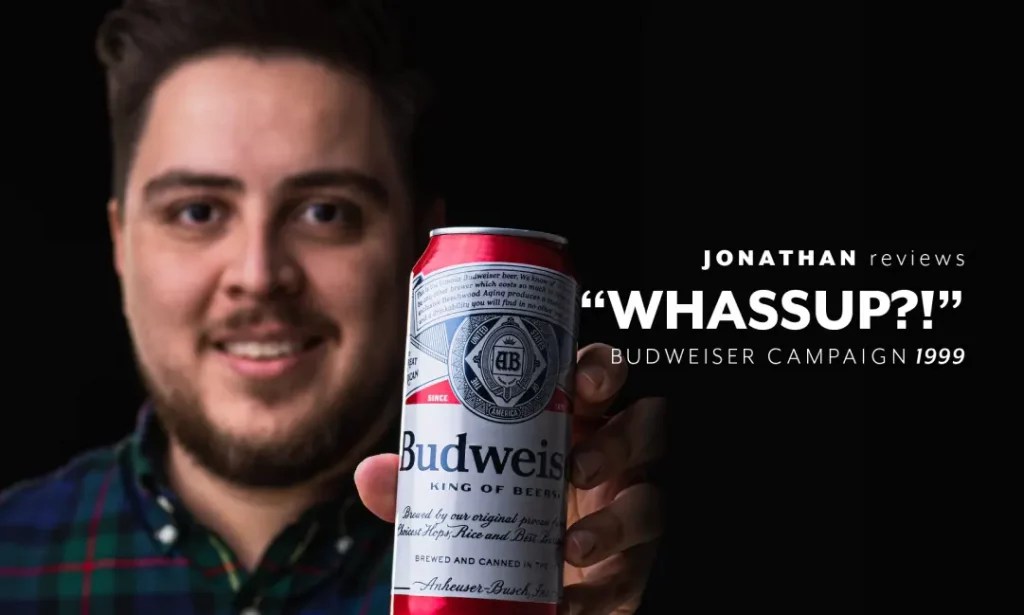
The Everyman is friendly, down-to-earth, and above all honest. This isn’t brutal honesty; this is the kind of honesty you expect from close friends. The perfect example of this archetype is Budweiser, which treats their brand as their customer’s bar buddy – literally someone you would grab a beer with.

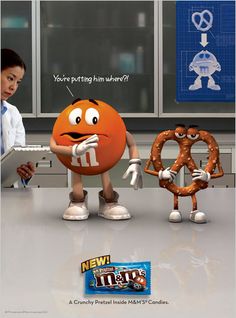
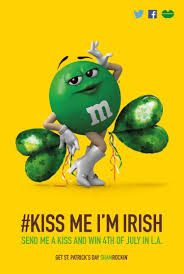
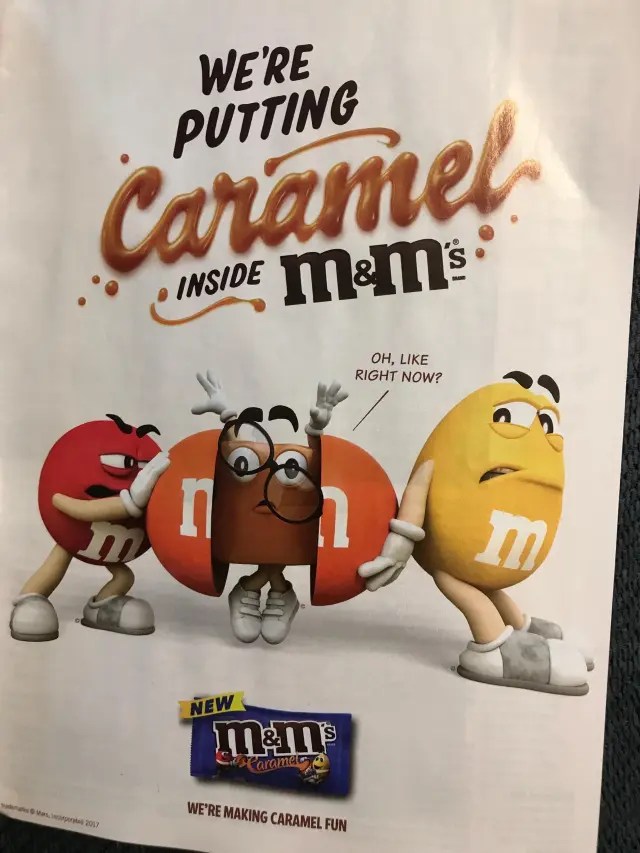
This contrasts with the Jester, who is playful, witty, and humorous. The Jester is the kind of friend that is going to try and make you laugh no matter the occasion. Different brands will use different kinds of humor as they play the Jester. For example, M&Ms uses their colorful mascots to make plenty of jokes about the candy including some surprisingly dark jokes related to cannibalism. Despite the serious nature of the jokes, the playful angle those jokes are played from keeps everything family-friendly: the exact kind of tone you want to carry as a candy manufacturer.
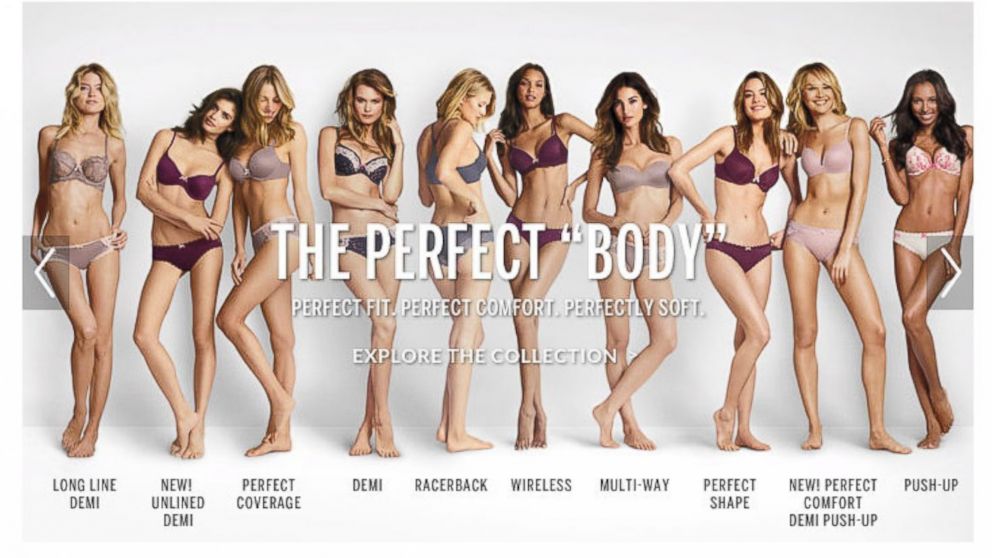
Lastly, there is the Lover who has an incredibly charming personality. The Lover is affectionate and intimate, often taking things into a sexual tone, though not always. A great example of this is Victoria’s Secret, who’s brand focuses on building women’s self-confidence in intimate settings.

Results- and Mastery-Based
Results- and Mastery-based brands are focused on helping people be the best versions of themselves. Brands that fit into this category focus on turning their customers from zeroes into heroes – literally, in the case of the first archetype: the hero.
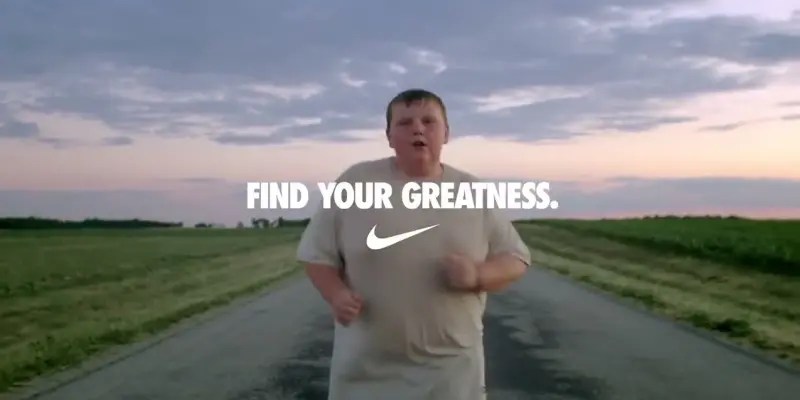
The Hero isn’t just courageous enough to do the task, but is triumphant in performing it. Whenever they don’t succeed, they are determined to try and try again until they do so. That is why brands like Nike use this archetype; their product is focused on helping people reach their peak physical performance, and so they will sell those products as a means of helping people accomplish those goals.

While the Hero focuses on helping people perform the tasks necessary to reach their goals, the Magician simply makes it happen. This archetype acts almost like a fairy godmother, focusing on transforming their customer into the vision of themselves that they want to be with minimal effort. The perfect example of the Magician is Axe Body Spray, which focuses their marketing efforts on convincing their male-dominated audience that using their product will help them attract beautiful women.


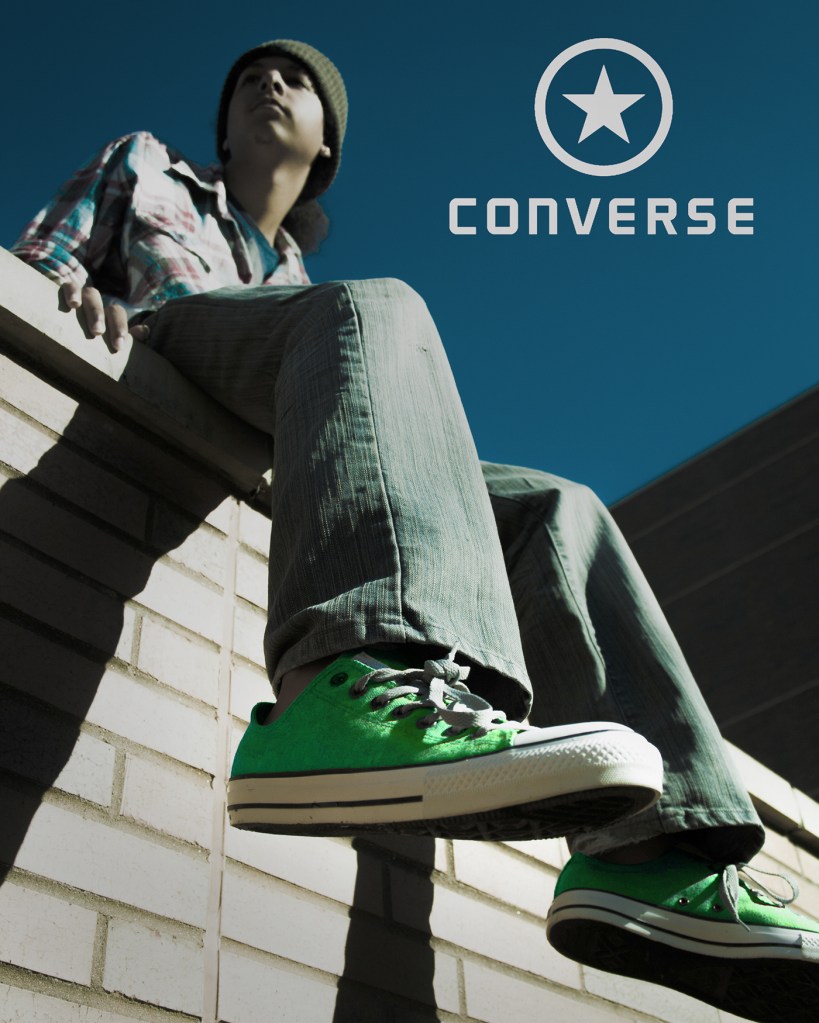
The last archetype in this category is the Rebel. The Rebel isn’t focused on helping you meet mainstream ideals; instead, they encourage their customer to stand out from the crowd. For this reason, the Rebel tends to be raw, edgy, and willing to take risks. A great example of this would be Converse, which focus on being a fashion statement for every kind of subculture, helping differentiate themselves from more mainstream tennis shoe brands.


Learning- and Freedom-Based
The learning- and Freedom-Based category focus on adventuring in one way or another. These brands encourage people to step out of their comfort zone towards places they want to see, things they want to know, and emotions they want to feel. The three archetypes focus on those three desires; the explorer, the sage, and the innocent.
The Explorer is drawn to places they want to see. These brands target the adventurous independent who tends to be more open-minded on pretty much any topic. That’s why off-roading vehicle brands like Jeep use this archetype; their customer base is already drawn to explore, so its best to encourage that crowd to use your vehicle to get them there.



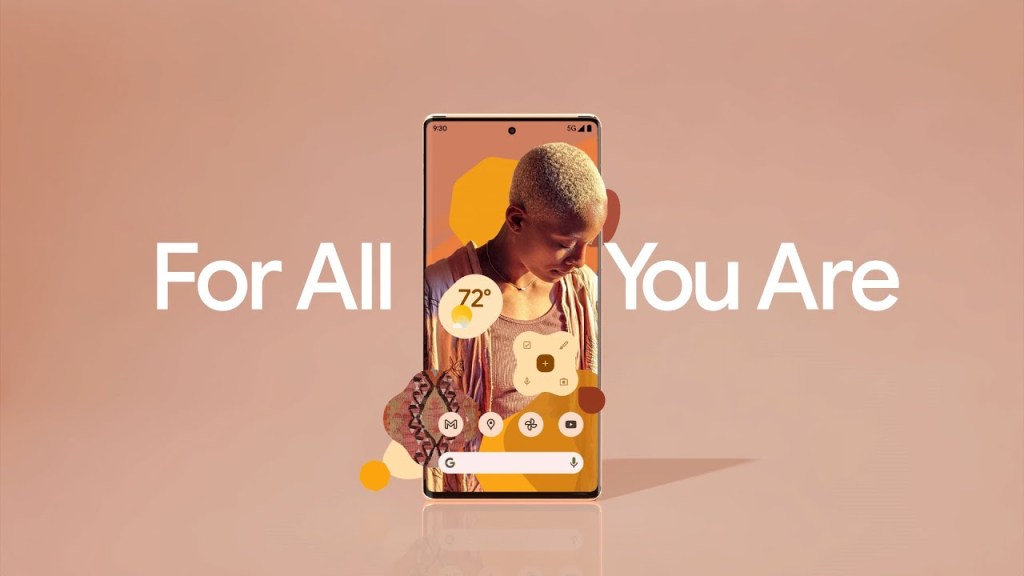
The Sage is focused on learning new information. They tend to be objective and decisive in their mission to seek out the truth. Google is one of the most famous brands that uses this archetype because it fits the main purpose of their main business venture: their search engine. When it comes to marketing their products, they focus on the information and tools you gain by purchasing from their brand. The images below perfectly illustrate this through a sleek, simple look popular not just within Google’s branding, but the tech industry as a whole.

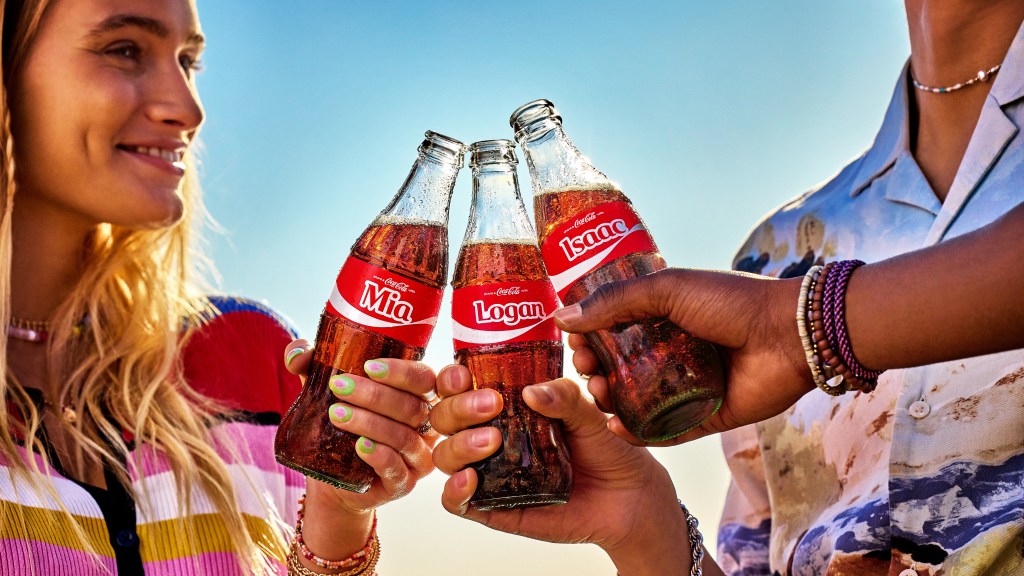
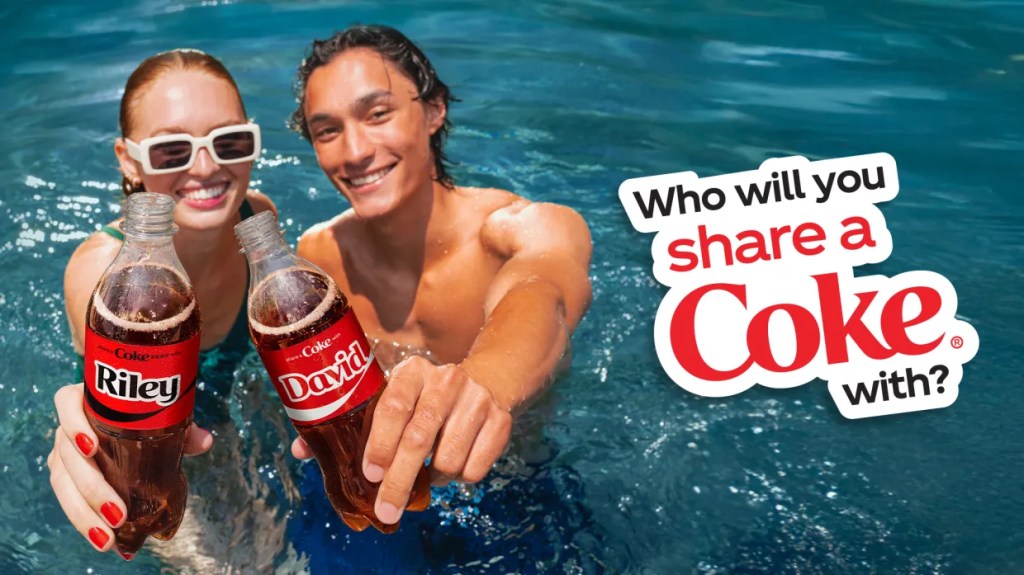
Lastly, there is the Innocent who is driven towards positive emotions and seeks out good, peaceful times. These brands focus on wholesomeness and tend to lean optimistic in their messaging. In certain circumstances, they may even appear utopian. A great example of this is Coca-Cola, which I discuss in detail in my next blog through their “share a coke with” campaign.
Stability- and Structure-Based
The last category is the stability and structure-based brand category, which focuses on providing people either a sense of security or the tools necessary to get them there. The three archetypes – creator, ruler, and caregiver – build on this idea in three different ways.
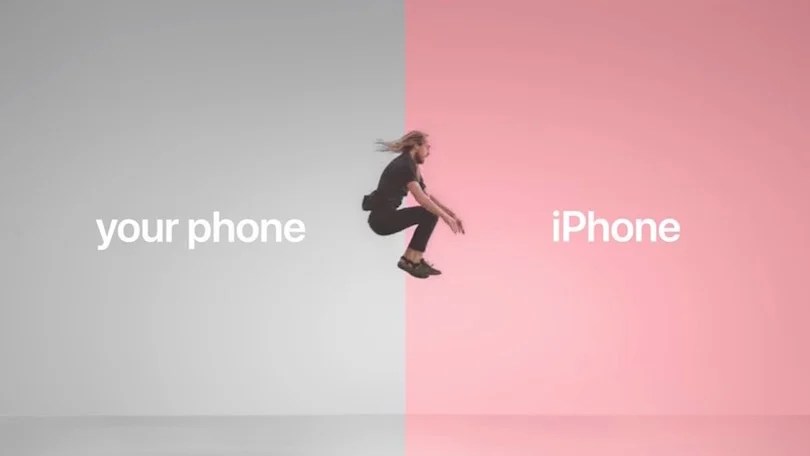
The Creator focuses on giving people the tools they need to express their ideas. Usually these brands tend to focus on innovation, as people who need to express ideas for their jobs tend to work in constantly evolving fields such as graphic design, film and television, or media. That is why Apple uses the Creator archetype.

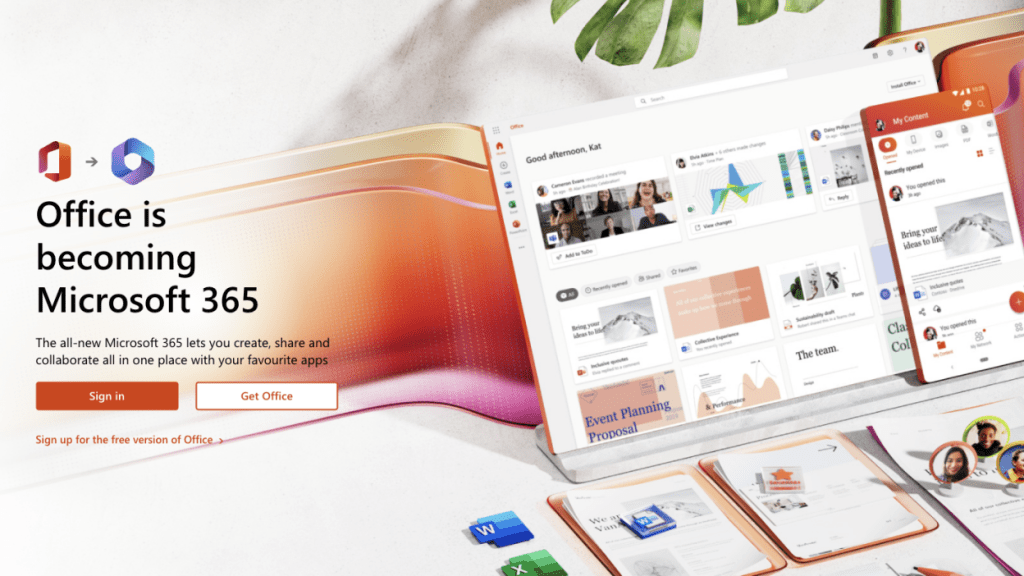
While the Creator focuses on finding creative solutions, the Ruler leans on the tried-and-true to get things done. They are authoritative in the way that they speak and command themselves with confidence. One of Apple’s top competitors – Microsoft – differentiates themselves from Apple by using this archetype. While Apple focuses on moving fast and breaking things, Microsoft offers a consistent solution to your problems that hasn’t seen any significant update in the last decade or so.

Lastly, there is the Caregiver which fulfills a very different role. While the Creator and Ruler helps their customer tackle problem solving in different ways, the caregiver handles the problem for you. They tend to be service-oriented and communicate with an empathetic tone. That is why insurance companies like AllState tend to use this archetype; it helps disarm their customers who may be feeling stressed and overwhelmed from their current situation and tells them what they want to hear most in that moment: “You’re in good hands.”


These four categories and 12 archetypes lay out pretty much every kind of personality a brand will have when serving their customer. When designing your brand, it is best to look at the functionality of your business and determine which category best suits what you do for business. Keep in mind, you are trying to be your customer’s best friend. Whichever category best accomplishes that goal is likely the archetype you should use when developing your brand.
 Hiya Margo
Leave a comment